A septic system is one of the most important components of a property’s infrastructure, yet it is often one of the least understood. Hidden beneath the ground, this wastewater treatment system works continuously to process and dispose of household wastewater safely and efficiently. Because septic systems operate out of sight, many property owners do not think about them until a problem arises. Unfortunately, by the time warning signs become obvious, the issue may already require expensive repairs. This is why professional septic system inspections are such a valuable part of preventative maintenance.
A septic system inspection provides a comprehensive evaluation of the condition, functionality, and overall health of the system. Whether performed as part of routine maintenance, a property transaction, or the investigation of a potential problem, an inspection helps identify concerns before they become major failures. Understanding what happens during a professional septic system inspection can help homeowners appreciate the importance of this service and the role it plays in protecting both property and environmental health. Visit Website to explore more.
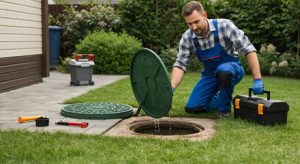
Why Septic System Inspections Matter
Septic systems are designed to handle large volumes of wastewater every day. Over time, components naturally experience wear, solids accumulate inside the tank, and environmental factors can affect overall performance. Without periodic inspections, many of these issues can go unnoticed until they result in backups, unpleasant odors, drain field failures, or costly repairs.
A professional inspection serves several purposes. It evaluates current system performance, identifies maintenance needs, detects hidden problems, and provides recommendations for preserving long-term functionality. Regular inspections also help property owners plan for future repairs and avoid unexpected emergencies.
The benefits of septic system inspections include:
- Early detection of potential problems.
- Improved system reliability.
- Reduced risk of costly repairs.
- Protection of property value.
- Enhanced environmental safety.
- Greater confidence in system performance.
Because septic systems represent a significant investment, routine inspections are one of the most effective ways to protect that investment.
The Initial Assessment and Property Review
A professional septic inspection typically begins with an initial assessment of the property and a review of available system information. Inspectors gather details about the septic system’s age, size, maintenance history, and usage patterns.
Understanding how the property uses water helps inspectors evaluate whether the system is appropriately sized and functioning as intended. Information regarding previous pumping schedules, repairs, or recurring issues can also provide valuable context.
During this stage, inspectors often examine:
- Property records related to the septic system.
- Previous inspection reports.
- Maintenance and pumping history.
- Household occupancy levels.
- Known concerns or performance issues.
This preliminary review helps establish a foundation for the physical inspection process and allows inspectors to focus on areas that may require additional attention.
Locating and Accessing the Septic System
Before a detailed evaluation can begin, the inspector must locate and access the septic system components. Depending on the property’s age and layout, septic tanks and access points may be visible or buried beneath the ground.
The inspection typically includes identifying the location of key system elements, including:
- The septic tank.
- Access lids and inspection ports.
- Distribution components.
- Drain field areas.
- Associated piping and connections.
Proper access is essential because it allows the inspector to examine internal conditions and assess the system’s operational status.
In some cases, vegetation growth, landscaping features, or previous property modifications may make access more challenging. Nevertheless, locating all critical components is an important part of a comprehensive inspection.
Inspecting the Septic Tank
The septic tank is the central component of the system, and a significant portion of the inspection focuses on evaluating its condition. Once the tank is opened, the inspector examines both its structural integrity and operational performance.
Inside the tank, wastewater separates into three layers: sludge at the bottom, effluent in the middle, and scum on the surface. Inspectors evaluate these layers to determine whether pumping is needed and whether the system is functioning properly.
The septic tank inspection often includes:
- Measuring sludge accumulation.
- Evaluating scum layer thickness.
- Checking liquid levels.
- Inspecting internal baffles and filters.
- Assessing tank walls and structural condition.
Excessive sludge or damaged components may indicate maintenance issues that require prompt attention.
Measuring Sludge and Scum Levels
One of the most important tasks during a septic inspection is measuring sludge and scum accumulation. Although beneficial bacteria break down a portion of the waste entering the tank, solids gradually build up over time.
When sludge and scum levels become excessive, the tank loses treatment capacity and increases the risk of solids entering the drain field. This can lead to system failure and expensive repairs.
Inspectors use specialized tools to determine:
- The thickness of the sludge layer.
- The depth of the scum layer.
- Available liquid treatment volume.
- Whether pumping is recommended.
- Potential risks associated with accumulation levels.
These measurements provide valuable insight into maintenance requirements and overall system health.
Evaluating Tank Components and Structural Integrity
Beyond waste accumulation, inspectors carefully examine the physical condition of the septic tank itself. Structural issues can compromise system performance and create safety hazards if left unaddressed.
Common areas of evaluation include:
- Tank walls.
- Access lids.
- Inlet and outlet baffles.
- Seals and joints.
- Internal partitions.
Inspectors look for cracks, leaks, corrosion, deterioration, and other signs of damage. Structural problems may allow groundwater infiltration or wastewater leakage, both of which can negatively impact system efficiency.
Identifying these concerns early helps property owners address repairs before more extensive damage occurs.
Checking the Distribution System
After wastewater leaves the septic tank, it enters a distribution system that directs effluent toward the drain field. This system must function properly to ensure even wastewater dispersal and effective soil treatment.
During the inspection, professionals evaluate distribution components for signs of blockage, damage, or uneven flow. They verify that wastewater is being distributed appropriately and that no areas are receiving excessive loading.
Issues within the distribution system can affect overall performance and place additional stress on the drain field.
Assessing the Drain Field
The drain field is one of the most important and sensitive parts of a septic system. It provides the final stage of wastewater treatment by allowing effluent to filter naturally through the soil.
Because drain field repairs are often expensive, inspectors pay close attention to signs of potential problems.
Drain field evaluation may include observing:
- Surface drainage patterns.
- Standing water.
- Saturated soil conditions.
- Unusual vegetation growth.
- Odors indicating wastewater exposure.
A healthy drain field should effectively absorb and treat wastewater without visible signs of stress. Any evidence of saturation or pooling may indicate reduced performance or potential failure.
Testing Plumbing Fixtures and Water Flow
Many septic inspections also involve evaluating plumbing fixtures inside the property. This helps determine whether wastewater is moving efficiently through the system and whether any backups or restrictions exist.
Inspectors may run water through sinks, showers, toilets, and other fixtures while monitoring system response.
This process helps identify:
- Slow drainage issues.
- Backflow concerns.
- Blocked pipes.
- Ventilation problems.
- Potential system overload conditions.
These tests provide a practical assessment of how the system performs under normal operating conditions.
Identifying Warning Signs of Future Problems
A professional inspection is not limited to evaluating current performance. It also focuses on identifying warning signs that could lead to future issues if left unaddressed.
Examples of potential concerns include:
- Elevated sludge levels.
- Minor structural deterioration.
- Drain field stress indicators.
- Aging components nearing replacement.
- Improper wastewater flow patterns.
Addressing these issues early often prevents more serious and costly problems from developing later.
Receiving the Inspection Report
At the conclusion of the inspection, the inspector typically prepares a detailed report outlining findings and recommendations. This document provides a clear overview of the system’s condition and any maintenance or repair needs identified during the evaluation.
The report often includes:
- Tank condition assessment.
- Sludge and scum measurements.
- Drain field observations.
- Structural findings.
- Maintenance recommendations.
- Suggested repair priorities.
This information helps homeowners make informed decisions regarding system care and future maintenance planning.
The Long-Term Benefits of Regular Inspections
Routine septic inspections offer significant long-term benefits for both homeowners and property managers. Rather than waiting for visible symptoms or system failures, inspections provide a proactive approach to maintenance and risk management.
Benefits of regular inspections include:
- Extended system lifespan.
- Lower repair costs.
- Improved wastewater treatment efficiency.
- Better environmental protection.
- Enhanced property value.
- Reduced likelihood of emergencies.
By identifying issues before they escalate, inspections contribute to more reliable and cost-effective septic system operation.
Conclusion
A professional septic system inspection is a comprehensive process designed to evaluate every major component of the wastewater treatment system. From reviewing maintenance history and inspecting the septic tank to assessing the drain field and testing system performance, inspectors gather critical information that helps ensure reliable operation.
Understanding what happens during a professional septic system inspection highlights the importance of preventative maintenance and proactive system care. Regular inspections not only identify current issues but also reveal potential problems before they become expensive failures.
For homeowners who rely on septic systems, routine inspections represent one of the most effective ways to protect their investment, maintain property value, and ensure long-term wastewater management success. By staying ahead of potential concerns, property owners can enjoy greater peace of mind and confidence in the reliability of their septic system for years to come.