Maintaining a clean environment is about much more than appearances. Whether in a home, office, or commercial property, cleanliness directly affects comfort, productivity, health, and overall well-being. While many people clean regularly, expert cleaning involves using effective techniques, proper planning, and attention to detail to achieve consistently superior results. Professional cleaners understand that successful cleaning is not simply about removing visible dirt; it is about creating an organized, sanitary, and welcoming environment that supports everyday activities.
A well-maintained space can improve indoor air quality, reduce allergens, extend the lifespan of furnishings, and make daily routines more enjoyable. However, achieving these benefits requires more than occasional dusting or quick surface wiping. By following expert cleaning tips and adopting proven habits, anyone can create a cleaner, healthier, and more efficient environment.
Why Expert Cleaning Matters
Cleaning is often viewed as a routine chore, but its impact extends far beyond aesthetics. Dust, bacteria, allergens, and debris accumulate continuously in indoor environments. Without proper cleaning techniques, these contaminants can build up over time and negatively affect both the appearance and functionality of a space.
Expert cleaning focuses on consistency, efficiency, and thoroughness. Rather than cleaning only when visible messes appear, professionals use systematic approaches that prevent dirt accumulation before it becomes a major issue. This proactive method helps maintain cleanliness while reducing the amount of effort required during deep-cleaning sessions.
In addition to improving appearance, expert cleaning contributes to healthier indoor environments by minimizing the presence of dust, pollutants, and other contaminants that can affect comfort and air quality.
Start with a Cleaning Plan
One of the most important professional cleaning tips is to work with a clear plan. Cleaning without a strategy often leads to wasted time, missed areas, and inconsistent results. A structured approach ensures that every room and surface receives appropriate attention.
Creating a cleaning schedule helps break tasks into manageable portions. Daily, weekly, and monthly responsibilities can be organized according to priority and frequency. This prevents cleaning from becoming overwhelming and ensures that important maintenance tasks are completed regularly.
Professional cleaners often approach projects systematically, moving from one area to another in a logical sequence. This organized method improves efficiency and reduces unnecessary repetition.
Clean from Top to Bottom
A fundamental principle of expert cleaning is working from top to bottom. Dust and debris naturally fall downward during the cleaning process. If lower surfaces are cleaned first, they may need to be cleaned again after upper areas are addressed.
Begin by cleaning ceiling fans, shelves, light fixtures, and high surfaces before moving to countertops, furniture, and flooring. This method prevents contaminants from settling on already-cleaned areas and helps achieve more efficient results.
Following a top-to-bottom approach also creates a more structured workflow, making it easier to maintain focus and avoid overlooking important areas.
Declutter Before You Clean
Cleaning and organizing are closely connected. Clutter not only makes a space appear untidy but also creates obstacles that make effective cleaning more difficult. Before beginning any major cleaning session, remove unnecessary items from surfaces and floors.
Decluttering offers several benefits:
- Improves access to surfaces that need cleaning.
- Reduces dust accumulation around stored items.
- Creates a more organized appearance.
- Makes future cleaning easier and faster.
By simplifying the environment before cleaning, you can achieve more thorough results while saving valuable time and effort.
Use the Right Tools and Supplies
One reason professional cleaners achieve exceptional results is their reliance on appropriate tools and cleaning products. Using the correct equipment can significantly improve efficiency and effectiveness.
Microfiber cloths, high-quality vacuums, extension dusters, mop systems, and specialized cleaning solutions each serve specific purposes. Selecting the proper tools for each task helps prevent damage to surfaces while ensuring optimal cleanliness.
It is equally important to maintain cleaning equipment. Dirty mop heads, clogged vacuum filters, and worn cleaning tools can reduce performance and spread contaminants rather than remove them.
Focus on High-Touch Surfaces
Many of the most frequently used areas within a property are also the most frequently overlooked during routine cleaning. High-touch surfaces can accumulate dirt, oils, and germs quickly due to constant contact.
Examples of high-touch surfaces include:
- Door handles.
- Light switches.
- Cabinet pulls.
- Remote controls.
- Keyboards and electronic devices.
- Countertops and tabletops.
Regular attention to these areas helps maintain cleanliness and supports a healthier indoor environment. Professional cleaners often prioritize these surfaces because they experience significantly more use than many other parts of a property.
Master the Art of Dusting
Dusting may seem simple, but effective dust removal requires proper technique. One common mistake is using tools that simply redistribute dust into the air. Expert cleaners focus on capturing and removing dust rather than spreading it around.
Microfiber materials are particularly effective because they trap particles rather than pushing them across surfaces. Dusting should be performed regularly, especially in areas where dust tends to accumulate quickly, such as electronics, shelves, blinds, and decorative items.
Consistent dust removal helps improve indoor air quality while keeping surfaces looking clean and well maintained.
Pay Attention to Floors
Floors often receive the most wear and tear in any indoor environment. Dirt, debris, moisture, and contaminants are continuously tracked indoors, making floor care an essential part of any cleaning routine.
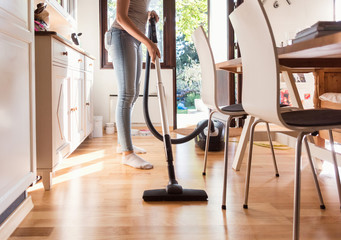
Vacuuming and sweeping should be performed regularly to remove loose particles before they become embedded in flooring materials. Hard surfaces benefit from periodic mopping, while carpets may require deeper cleaning to remove accumulated dirt and allergens.
Proper floor maintenance not only improves appearance but also helps extend the lifespan of flooring materials, reducing long-term replacement costs.
Don’t Overlook Bathrooms and Kitchens
Bathrooms and kitchens typically require the most detailed cleaning because they experience heavy daily use and frequent exposure to moisture. These spaces can quickly accumulate soap residue, grease, food particles, and mineral deposits if not maintained consistently.
Expert cleaning in these areas focuses on both visible cleanliness and sanitation. Sinks, faucets, countertops, appliances, and fixtures should be cleaned thoroughly and regularly.
Maintaining these spaces on a consistent schedule prevents buildup from becoming difficult to remove and helps preserve the appearance of surfaces over time.
Develop Consistent Cleaning Habits
One of the most valuable expert cleaning tips is to prioritize consistency over intensity. Waiting until a space becomes excessively dirty often requires more effort and time than performing regular maintenance.
Small daily actions can significantly reduce cleaning demands. Examples include wiping surfaces after use, returning items to their proper places, and addressing spills immediately. These habits prevent clutter and dirt from accumulating while making larger cleaning sessions more manageable.
Professional cleaners understand that long-term cleanliness is achieved through routine maintenance rather than occasional intensive efforts.
Improve Indoor Air Quality Through Cleaning
Many people associate cleaning primarily with appearance, but its impact on air quality is equally important. Dust, pet dander, pollen, and other airborne particles can accumulate throughout a property and affect comfort levels.
Improving indoor air quality often involves:
- Regular vacuuming with proper filtration.
- Cleaning vents and air registers.
- Dusting frequently.
- Replacing filters as recommended.
- Reducing clutter that traps dust.
These practices help create a fresher and more comfortable environment while supporting overall cleanliness.
Know When Deep Cleaning Is Necessary
Routine cleaning is essential, but deep cleaning provides an additional level of maintenance that addresses areas often missed during regular upkeep. Deep cleaning focuses on hidden spaces, hard-to-reach areas, and accumulated buildup that develops gradually over time.
Examples of deep-cleaning tasks include washing baseboards, cleaning behind furniture, scrubbing grout lines, sanitizing appliances, and addressing neglected storage areas. Scheduling periodic deep-cleaning sessions helps maintain a higher standard of cleanliness and prevents long-term deterioration.
Conclusion
Expert cleaning is not about working harder—it is about working smarter. By following proven strategies such as cleaning from top to bottom, using the right tools, focusing on high-touch surfaces, and maintaining consistent habits, anyone can achieve professional-level results. A clean environment supports better health, improved productivity, enhanced comfort, and greater peace of mind.
Whether maintaining a home, office, or commercial property, the principles of expert cleaning remain the same: stay organized, clean consistently, and address problems before they grow. By incorporating these expert cleaning tips into your routine, you can create a space that looks better, feels healthier, and functions more efficiently every day.