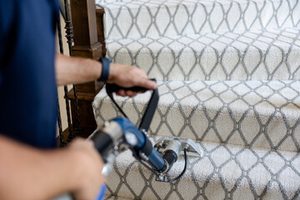
Tips for Expert Cleaning: Proven Strategies for a Spotless and Healthier Space

cleaning

Maintaining a clean environment is about much more than appearances. Whether in a home, office, or commercial property, cleanliness directly affects comfort, productivity, health, and overall well-being. While many people clean regularly, expert cleaning involves using effective techniques, proper planning, and attention to detail to achieve consistently superior results. Professional cleaners understand that successful cleaning is not simply about removing visible dirt; it is about creating an organized, sanitary, and welcoming environment that supports everyday activities.

A well-maintained space can improve indoor air quality, reduce allergens, extend the lifespan of furnishings, and make daily routines more enjoyable. However, achieving these benefits requires more than occasional dusting or quick surface wiping. By following expert cleaning tips and adopting proven habits, anyone can create a cleaner, healthier, and more efficient environment.

Why Expert Cleaning Matters

Cleaning is often viewed as a routine chore, but its impact extends far beyond aesthetics. Dust, bacteria, allergens, and debris accumulate continuously in indoor environments. Without proper cleaning techniques, these contaminants can build up over time and negatively affect both the appearance and functionality of a space.

Expert cleaning focuses on consistency, efficiency, and thoroughness. Rather than cleaning only when visible messes appear, professionals use systematic approaches that prevent dirt accumulation before it becomes a major issue. This proactive method helps maintain cleanliness while reducing the amount of effort required during deep-cleaning sessions.

In addition to improving appearance, expert cleaning contributes to healthier indoor environments by minimizing the presence of dust, pollutants, and other contaminants that can affect comfort and air quality.

Start with a Cleaning Plan

One of the most important professional cleaning tips is to work with a clear plan. Cleaning without a strategy often leads to wasted time, missed areas, and inconsistent results. A structured approach ensures that every room and surface receives appropriate attention.

Creating a cleaning schedule helps break tasks into manageable portions. Daily, weekly, and monthly responsibilities can be organized according to priority and frequency. This prevents cleaning from becoming overwhelming and ensures that important maintenance tasks are completed regularly.

Professional cleaners often approach projects systematically, moving from one area to another in a logical sequence. This organized method improves efficiency and reduces unnecessary repetition.

Clean from Top to Bottom

A fundamental principle of expert cleaning is working from top to bottom. Dust and debris naturally fall downward during the cleaning process. If lower surfaces are cleaned first, they may need to be cleaned again after upper areas are addressed.

Begin by cleaning ceiling fans, shelves, light fixtures, and high surfaces before moving to countertops, furniture, and flooring. This method prevents contaminants from settling on already-cleaned areas and helps achieve more efficient results.

Following a top-to-bottom approach also creates a more structured workflow, making it easier to maintain focus and avoid overlooking important areas.

Declutter Before You Clean

Cleaning and organizing are closely connected. Clutter not only makes a space appear untidy but also creates obstacles that make effective cleaning more difficult. Before beginning any major cleaning session, remove unnecessary items from surfaces and floors.

Decluttering offers several benefits:

  1. Improves access to surfaces that need cleaning.
  2. Reduces dust accumulation around stored items.
  3. Creates a more organized appearance.
  4. Makes future cleaning easier and faster.

By simplifying the environment before cleaning, you can achieve more thorough results while saving valuable time and effort.

Use the Right Tools and Supplies

One reason professional cleaners achieve exceptional results is their reliance on appropriate tools and cleaning products. Using the correct equipment can significantly improve efficiency and effectiveness.

Microfiber cloths, high-quality vacuums, extension dusters, mop systems, and specialized cleaning solutions each serve specific purposes. Selecting the proper tools for each task helps prevent damage to surfaces while ensuring optimal cleanliness.

It is equally important to maintain cleaning equipment. Dirty mop heads, clogged vacuum filters, and worn cleaning tools can reduce performance and spread contaminants rather than remove them.

Focus on High-Touch Surfaces

Many of the most frequently used areas within a property are also the most frequently overlooked during routine cleaning. High-touch surfaces can accumulate dirt, oils, and germs quickly due to constant contact.

Examples of high-touch surfaces include:

  1. Door handles.
  2. Light switches.
  3. Cabinet pulls.
  4. Remote controls.
  5. Keyboards and electronic devices.
  6. Countertops and tabletops.

Regular attention to these areas helps maintain cleanliness and supports a healthier indoor environment. Professional cleaners often prioritize these surfaces because they experience significantly more use than many other parts of a property.

Master the Art of Dusting

Dusting may seem simple, but effective dust removal requires proper technique. One common mistake is using tools that simply redistribute dust into the air. Expert cleaners focus on capturing and removing dust rather than spreading it around.

Microfiber materials are particularly effective because they trap particles rather than pushing them across surfaces. Dusting should be performed regularly, especially in areas where dust tends to accumulate quickly, such as electronics, shelves, blinds, and decorative items.

Consistent dust removal helps improve indoor air quality while keeping surfaces looking clean and well maintained.

Pay Attention to Floors

Floors often receive the most wear and tear in any indoor environment. Dirt, debris, moisture, and contaminants are continuously tracked indoors, making floor care an essential part of any cleaning routine.

Vacuuming and sweeping should be performed regularly to remove loose particles before they become embedded in flooring materials. Hard surfaces benefit from periodic mopping, while carpets may require deeper cleaning to remove accumulated dirt and allergens.

Proper floor maintenance not only improves appearance but also helps extend the lifespan of flooring materials, reducing long-term replacement costs.

Don’t Overlook Bathrooms and Kitchens

Bathrooms and kitchens typically require the most detailed cleaning because they experience heavy daily use and frequent exposure to moisture. These spaces can quickly accumulate soap residue, grease, food particles, and mineral deposits if not maintained consistently.

Expert cleaning in these areas focuses on both visible cleanliness and sanitation. Sinks, faucets, countertops, appliances, and fixtures should be cleaned thoroughly and regularly.

Maintaining these spaces on a consistent schedule prevents buildup from becoming difficult to remove and helps preserve the appearance of surfaces over time.

Develop Consistent Cleaning Habits

One of the most valuable expert cleaning tips is to prioritize consistency over intensity. Waiting until a space becomes excessively dirty often requires more effort and time than performing regular maintenance.

Small daily actions can significantly reduce cleaning demands. Examples include wiping surfaces after use, returning items to their proper places, and addressing spills immediately. These habits prevent clutter and dirt from accumulating while making larger cleaning sessions more manageable.

Professional cleaners understand that long-term cleanliness is achieved through routine maintenance rather than occasional intensive efforts.

Improve Indoor Air Quality Through Cleaning

Many people associate cleaning primarily with appearance, but its impact on air quality is equally important. Dust, pet dander, pollen, and other airborne particles can accumulate throughout a property and affect comfort levels.

Improving indoor air quality often involves:

  1. Regular vacuuming with proper filtration.
  2. Cleaning vents and air registers.
  3. Dusting frequently.
  4. Replacing filters as recommended.
  5. Reducing clutter that traps dust.

These practices help create a fresher and more comfortable environment while supporting overall cleanliness.

Know When Deep Cleaning Is Necessary

Routine cleaning is essential, but deep cleaning provides an additional level of maintenance that addresses areas often missed during regular upkeep. Deep cleaning focuses on hidden spaces, hard-to-reach areas, and accumulated buildup that develops gradually over time.

Examples of deep-cleaning tasks include washing baseboards, cleaning behind furniture, scrubbing grout lines, sanitizing appliances, and addressing neglected storage areas. Scheduling periodic deep-cleaning sessions helps maintain a higher standard of cleanliness and prevents long-term deterioration.

Conclusion

Expert cleaning is not about working harder—it is about working smarter. By following proven strategies such as cleaning from top to bottom, using the right tools, focusing on high-touch surfaces, and maintaining consistent habits, anyone can achieve professional-level results. A clean environment supports better health, improved productivity, enhanced comfort, and greater peace of mind.

Whether maintaining a home, office, or commercial property, the principles of expert cleaning remain the same: stay organized, clean consistently, and address problems before they grow. By incorporating these expert cleaning tips into your routine, you can create a space that looks better, feels healthier, and functions more efficiently every day.

What Happens During a Professional Septic System Inspection?

A septic system is one of the most important components of a property’s infrastructure, yet it is often one of the least understood. Hidden beneath the ground, this wastewater treatment system works continuously to process and dispose of household wastewater safely and efficiently. Because septic systems operate out of sight, many property owners do not think about them until a problem arises. Unfortunately, by the time warning signs become obvious, the issue may already require expensive repairs. This is why professional septic system inspections are such a valuable part of preventative maintenance.

A septic system inspection provides a comprehensive evaluation of the condition, functionality, and overall health of the system. Whether performed as part of routine maintenance, a property transaction, or the investigation of a potential problem, an inspection helps identify concerns before they become major failures. Understanding what happens during a professional septic system inspection can help homeowners appreciate the importance of this service and the role it plays in protecting both property and environmental health. Visit Website to explore more.

septic system inspection

Why Septic System Inspections Matter

Septic systems are designed to handle large volumes of wastewater every day. Over time, components naturally experience wear, solids accumulate inside the tank, and environmental factors can affect overall performance. Without periodic inspections, many of these issues can go unnoticed until they result in backups, unpleasant odors, drain field failures, or costly repairs.

A professional inspection serves several purposes. It evaluates current system performance, identifies maintenance needs, detects hidden problems, and provides recommendations for preserving long-term functionality. Regular inspections also help property owners plan for future repairs and avoid unexpected emergencies.

The benefits of septic system inspections include:

  1. Early detection of potential problems.
  2. Improved system reliability.
  3. Reduced risk of costly repairs.
  4. Protection of property value.
  5. Enhanced environmental safety.
  6. Greater confidence in system performance.

Because septic systems represent a significant investment, routine inspections are one of the most effective ways to protect that investment.

The Initial Assessment and Property Review

A professional septic inspection typically begins with an initial assessment of the property and a review of available system information. Inspectors gather details about the septic system’s age, size, maintenance history, and usage patterns.

Understanding how the property uses water helps inspectors evaluate whether the system is appropriately sized and functioning as intended. Information regarding previous pumping schedules, repairs, or recurring issues can also provide valuable context.

During this stage, inspectors often examine:

  1. Property records related to the septic system.
  2. Previous inspection reports.
  3. Maintenance and pumping history.
  4. Household occupancy levels.
  5. Known concerns or performance issues.

This preliminary review helps establish a foundation for the physical inspection process and allows inspectors to focus on areas that may require additional attention.

Locating and Accessing the Septic System

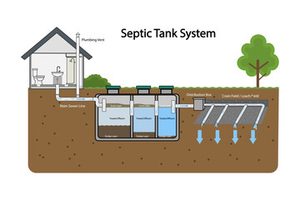
Before a detailed evaluation can begin, the inspector must locate and access the septic system components. Depending on the property’s age and layout, septic tanks and access points may be visible or buried beneath the ground.

The inspection typically includes identifying the location of key system elements, including:

  1. The septic tank.
  2. Access lids and inspection ports.
  3. Distribution components.
  4. Drain field areas.
  5. Associated piping and connections.

Proper access is essential because it allows the inspector to examine internal conditions and assess the system’s operational status.

In some cases, vegetation growth, landscaping features, or previous property modifications may make access more challenging. Nevertheless, locating all critical components is an important part of a comprehensive inspection.

Inspecting the Septic Tank

The septic tank is the central component of the system, and a significant portion of the inspection focuses on evaluating its condition. Once the tank is opened, the inspector examines both its structural integrity and operational performance.

Inside the tank, wastewater separates into three layers: sludge at the bottom, effluent in the middle, and scum on the surface. Inspectors evaluate these layers to determine whether pumping is needed and whether the system is functioning properly.

The septic tank inspection often includes:

  1. Measuring sludge accumulation.
  2. Evaluating scum layer thickness.
  3. Checking liquid levels.
  4. Inspecting internal baffles and filters.
  5. Assessing tank walls and structural condition.

Excessive sludge or damaged components may indicate maintenance issues that require prompt attention.

Measuring Sludge and Scum Levels

One of the most important tasks during a septic inspection is measuring sludge and scum accumulation. Although beneficial bacteria break down a portion of the waste entering the tank, solids gradually build up over time.

When sludge and scum levels become excessive, the tank loses treatment capacity and increases the risk of solids entering the drain field. This can lead to system failure and expensive repairs.

Inspectors use specialized tools to determine:

  1. The thickness of the sludge layer.
  2. The depth of the scum layer.
  3. Available liquid treatment volume.
  4. Whether pumping is recommended.
  5. Potential risks associated with accumulation levels.

These measurements provide valuable insight into maintenance requirements and overall system health.

Evaluating Tank Components and Structural Integrity

Beyond waste accumulation, inspectors carefully examine the physical condition of the septic tank itself. Structural issues can compromise system performance and create safety hazards if left unaddressed.

Common areas of evaluation include:

  1. Tank walls.
  2. Access lids.
  3. Inlet and outlet baffles.
  4. Seals and joints.
  5. Internal partitions.

Inspectors look for cracks, leaks, corrosion, deterioration, and other signs of damage. Structural problems may allow groundwater infiltration or wastewater leakage, both of which can negatively impact system efficiency.

Identifying these concerns early helps property owners address repairs before more extensive damage occurs.

Checking the Distribution System

After wastewater leaves the septic tank, it enters a distribution system that directs effluent toward the drain field. This system must function properly to ensure even wastewater dispersal and effective soil treatment.

During the inspection, professionals evaluate distribution components for signs of blockage, damage, or uneven flow. They verify that wastewater is being distributed appropriately and that no areas are receiving excessive loading.

Issues within the distribution system can affect overall performance and place additional stress on the drain field.

Assessing the Drain Field

The drain field is one of the most important and sensitive parts of a septic system. It provides the final stage of wastewater treatment by allowing effluent to filter naturally through the soil.

Because drain field repairs are often expensive, inspectors pay close attention to signs of potential problems.

Drain field evaluation may include observing:

  1. Surface drainage patterns.
  2. Standing water.
  3. Saturated soil conditions.
  4. Unusual vegetation growth.
  5. Odors indicating wastewater exposure.

A healthy drain field should effectively absorb and treat wastewater without visible signs of stress. Any evidence of saturation or pooling may indicate reduced performance or potential failure.

Testing Plumbing Fixtures and Water Flow

Many septic inspections also involve evaluating plumbing fixtures inside the property. This helps determine whether wastewater is moving efficiently through the system and whether any backups or restrictions exist.

Inspectors may run water through sinks, showers, toilets, and other fixtures while monitoring system response.

This process helps identify:

  1. Slow drainage issues.
  2. Backflow concerns.
  3. Blocked pipes.
  4. Ventilation problems.
  5. Potential system overload conditions.

These tests provide a practical assessment of how the system performs under normal operating conditions.

Identifying Warning Signs of Future Problems

A professional inspection is not limited to evaluating current performance. It also focuses on identifying warning signs that could lead to future issues if left unaddressed.

Examples of potential concerns include:

  1. Elevated sludge levels.
  2. Minor structural deterioration.
  3. Drain field stress indicators.
  4. Aging components nearing replacement.
  5. Improper wastewater flow patterns.

Addressing these issues early often prevents more serious and costly problems from developing later.

Receiving the Inspection Report

At the conclusion of the inspection, the inspector typically prepares a detailed report outlining findings and recommendations. This document provides a clear overview of the system’s condition and any maintenance or repair needs identified during the evaluation.

The report often includes:

  1. Tank condition assessment.
  2. Sludge and scum measurements.
  3. Drain field observations.
  4. Structural findings.
  5. Maintenance recommendations.
  6. Suggested repair priorities.

This information helps homeowners make informed decisions regarding system care and future maintenance planning.

The Long-Term Benefits of Regular Inspections

Routine septic inspections offer significant long-term benefits for both homeowners and property managers. Rather than waiting for visible symptoms or system failures, inspections provide a proactive approach to maintenance and risk management.

Benefits of regular inspections include:

  1. Extended system lifespan.
  2. Lower repair costs.
  3. Improved wastewater treatment efficiency.
  4. Better environmental protection.
  5. Enhanced property value.
  6. Reduced likelihood of emergencies.

By identifying issues before they escalate, inspections contribute to more reliable and cost-effective septic system operation.

Conclusion

A professional septic system inspection is a comprehensive process designed to evaluate every major component of the wastewater treatment system. From reviewing maintenance history and inspecting the septic tank to assessing the drain field and testing system performance, inspectors gather critical information that helps ensure reliable operation.

Understanding what happens during a professional septic system inspection highlights the importance of preventative maintenance and proactive system care. Regular inspections not only identify current issues but also reveal potential problems before they become expensive failures.

For homeowners who rely on septic systems, routine inspections represent one of the most effective ways to protect their investment, maintain property value, and ensure long-term wastewater management success. By staying ahead of potential concerns, property owners can enjoy greater peace of mind and confidence in the reliability of their septic system for years to come.

Is Professional Carpet Cleaning Better Than DIY?

Carpets play a major role in the comfort, appearance, and cleanliness of a home or business. They add warmth, reduce noise, improve aesthetics, and create a welcoming atmosphere. However, carpets also act like filters, trapping dirt, dust, allergens, pet dander, bacteria, and other contaminants deep within their fibers. Over time, these particles accumulate and can negatively impact both the appearance of the carpet and the indoor environment. This is why regular carpet cleaning is essential. When it comes time to clean carpets thoroughly, many property owners face an important question: Is professional carpet cleaning better than DIY?

carpet cleaning

The answer depends on several factors, including the condition of the carpet, the type of stains involved, the desired level of cleanliness, and the amount of time and effort a person is willing to invest. While do-it-yourself carpet cleaning methods can be useful for routine maintenance and minor spills, professional Carpet Cleaning Orem services often provide a deeper and more comprehensive cleaning experience. Understanding the differences between the two approaches can help property owners make informed decisions about protecting their carpet investment.

Understanding DIY Carpet Cleaning

DIY carpet cleaning has become increasingly popular due to the availability of rental machines, portable carpet cleaners, and a wide variety of cleaning products. Many homeowners appreciate the convenience and perceived cost savings of handling carpet cleaning on their own. With numerous tutorials and cleaning guides available online, it may seem simple to achieve professional-level results without hiring experts.

DIY carpet cleaning typically involves vacuuming, spot treatment, shampooing, or using a rented extraction machine. These methods can help remove surface dirt and address small stains before they become permanent. For households that maintain a consistent cleaning routine, DIY methods can contribute to keeping carpets looking presentable between deep cleanings.

However, many people underestimate how much dirt and moisture can remain trapped beneath the surface after using consumer-grade equipment. While the carpet may appear clean immediately after treatment, deeper contaminants often remain embedded within the fibers and backing. In some cases, improper cleaning techniques can even lead to additional problems such as residue buildup, over-wetting, and mold growth.

What Makes Professional Carpet Cleaning Different?

Professional carpet cleaning services utilize specialized equipment, advanced cleaning solutions, and industry-approved techniques designed to achieve a deeper level of cleanliness. Unlike consumer-grade machines, professional equipment is engineered to extract dirt, debris, allergens, and moisture more effectively from deep within the carpet.

Professional technicians are trained to evaluate carpet materials, identify stain types, and select appropriate cleaning methods for each situation. This expertise helps prevent damage while maximizing cleaning effectiveness. Different carpets require different approaches, and using the wrong products or techniques can shorten the lifespan of carpet fibers.

One of the most significant advantages of professional carpet cleaning is the ability to remove contaminants that are not visible to the naked eye. Dust mites, bacteria, allergens, and deeply embedded soil can accumulate over time and may not be eliminated through routine vacuuming or DIY cleaning efforts. Professional cleaning targets these hidden contaminants, contributing to a healthier indoor environment.

Comparing Cleaning Effectiveness

When comparing professional carpet cleaning and DIY methods, cleaning effectiveness is often the most important consideration. Surface-level cleaning and deep cleaning are not the same thing. DIY machines generally have less powerful suction and lower water pressure than professional equipment, which limits their ability to remove deeply embedded dirt.

Professional carpet cleaning systems are designed to penetrate carpet fibers more thoroughly and extract contaminants more efficiently. The result is a deeper clean that restores the appearance and freshness of the carpet while removing particles that contribute to odors and discoloration.

Some key advantages of professional cleaning effectiveness include:

  1. Removal of deeply embedded dirt and debris.
  2. More effective stain treatment and removal.
  3. Better extraction of allergens and bacteria.
  4. Reduced residue left behind after cleaning.
  5. Improved overall carpet appearance.

While DIY methods can improve surface cleanliness, they often struggle to match the level of deep cleaning achieved by professional equipment and expertise.

Cost Considerations

Many property owners choose DIY carpet cleaning because they believe it is significantly less expensive. At first glance, purchasing cleaning products or renting equipment may seem more affordable than hiring professional services. However, the true cost comparison is more complex.

DIY carpet cleaning often involves multiple expenses, including machine rentals, cleaning solutions, stain removers, protective treatments, and the value of personal time. In addition, mistakes during the cleaning process can result in carpet damage that requires costly repairs or premature replacement.

Professional carpet cleaning services involve an upfront cost, but they may provide greater value over time by extending the lifespan of the carpet. Proper maintenance helps preserve carpet fibers, maintain appearance, and reduce the need for early replacement. Considering the long-term benefits, professional cleaning can often be a cost-effective investment rather than an unnecessary expense.

Time and Convenience Factors

Another important factor to consider is the amount of time required to clean carpets properly. DIY carpet cleaning can be physically demanding and time-consuming, especially in larger spaces. Moving furniture, preparing cleaning solutions, operating equipment, treating stains, and waiting for carpets to dry can consume an entire day or even an entire weekend.

Professional carpet cleaning services streamline the process by handling all aspects of the job. Experienced technicians work efficiently and can often clean large areas in a fraction of the time required for DIY efforts. Property owners can focus on other responsibilities while professionals complete the work.

Additionally, professional equipment often extracts more moisture during the cleaning process, resulting in faster drying times. Reduced drying time minimizes disruptions and lowers the risk of moisture-related issues.

Stain Removal Capabilities

Stains are one of the most common reasons people seek carpet cleaning services. While some stains can be addressed using household cleaning products, others require specialized treatment. Certain substances can permanently discolor carpet fibers if not handled correctly.

Professional carpet cleaners have experience dealing with a wide range of stain types and understand how different substances interact with various carpet materials. Their knowledge allows them to select targeted solutions that maximize stain removal while protecting the carpet.

Common challenging stains include:

  1. Food and beverage spills.
  2. Pet-related stains and odors.
  3. Grease and oil marks.
  4. Ink and dye stains.
  5. High-traffic area discoloration.

Although DIY methods may reduce the appearance of some stains, professional cleaning often delivers superior results, especially when dealing with stubborn or long-standing discoloration.

Health and Indoor Air Quality Benefits

Carpets can trap pollutants that affect indoor air quality. Dust, pollen, pet dander, bacteria, and allergens often accumulate deep within carpet fibers and may become airborne when disturbed. This can contribute to respiratory discomfort and allergy symptoms for some individuals.

Professional carpet cleaning helps remove these contaminants more effectively than most DIY methods. Deep extraction techniques eliminate particles that regular vacuuming and surface cleaning cannot reach. As a result, indoor environments may feel fresher and healthier after professional cleaning.

Some health-related benefits of professional carpet cleaning include:

  1. Reduced allergen accumulation.
  2. Improved indoor air quality.
  3. Elimination of trapped bacteria and contaminants.
  4. Reduction of unpleasant odors.
  5. Cleaner living and working environments.

For households with pets, children, or individuals sensitive to airborne particles, professional cleaning may provide noticeable improvements in indoor comfort.

Extending Carpet Lifespan

Carpets represent a significant investment, and proper maintenance plays a critical role in protecting that investment. Dirt and debris act like abrasive particles that gradually wear down carpet fibers as people walk across the surface. Over time, this wear can lead to matting, discoloration, and premature deterioration.

Professional carpet cleaning removes these abrasive contaminants more effectively, helping preserve the texture, color, and structural integrity of the carpet. Regular deep cleaning can significantly extend carpet lifespan and maintain its appearance for many years.

By combining routine vacuuming with periodic professional cleaning, property owners can maximize the value of their flooring investment while avoiding the expense of early replacement.

Final Verdict: Is Professional Carpet Cleaning Better Than DIY?

When evaluating overall performance, professional carpet cleaning generally offers advantages that DIY methods struggle to match. While DIY cleaning can be useful for regular upkeep and addressing minor spills, professional services provide deeper cleaning, superior stain removal, improved indoor air quality, faster drying times, and greater long-term value.

DIY methods certainly have their place in maintaining carpets between professional appointments. However, relying solely on consumer-grade equipment often leaves behind hidden contaminants that continue to affect carpet condition and indoor cleanliness. Professional carpet cleaning combines advanced technology, specialized knowledge, and powerful extraction capabilities to deliver results that are difficult to achieve through DIY efforts alone.

Ultimately, the best approach is often a combination of both methods. Routine vacuuming and prompt stain treatment can help maintain carpets on a daily basis, while professional deep cleaning provides the comprehensive care needed to preserve appearance, cleanliness, and longevity. For those seeking the highest level of carpet care, professional carpet cleaning remains the superior choice.

Navigation