Cabinet Refinishing Before a Full Kitchen Remodel

Cabinet Refinishing Sacramento

Cabinet refacing, resurfacing, and refinishing are less expensive alternatives to replacing your cabinets. They are especially useful if you’re satisfied with your existing layout and just want to give the space a fresh new look.

Unlike painting, refacing preserves the structural integrity of your cabinets by covering them with durable veneers. It also provides a more long-term solution that adds value to your home. Contact Cabinet Refinishing Sacramento for more information.

Cost

If you love your kitchen layout but are unhappy with the color or style of your cabinets, a professional cabinet refinishing service can revitalize your space and add a fresh new look. The best part is that this option costs significantly less than a full kitchen remodel. In fact, it can be as much as 2/3 the cost of refacing or more than 80 percent less than replacing your cabinets.

The exact cost of a cabinet refinishing service can vary depending on your kitchen size, desired finish or color, and geographic location. However, it is generally priced by the linear foot. This helps keep costs consistent and allows for more accurate pricing.

A full kitchen remodel is the most expensive of these options, but it also provides the greatest potential for added value to your home. Credit Karma estimates that a complete renovation can add up to 15 percent to your property’s resale value. This is because a major kitchen upgrade increases the appeal of your home and will attract buyers.

Unlike cabinet refinishing, a full replacement involves tearing out your existing cabinets before installing the new ones. This can be a messy, time-consuming process and requires significant expertise to ensure that the job is done correctly. It can also be more expensive than refinishing because it includes the cost of additional materials like countertops, backsplashes, flooring and plumbing or electrical upgrades.

Refacing is a more economical option than full replacement because it saves your existing cabinet boxes. It involves replacing the doors and drawer fronts but saving the cabinet boxes by covering them with a new veneer. This is an especially great option if your cabinets are in good condition, but the doors and drawer fronts are outdated or damaged. You can choose from a variety of different colors and styles for the new door and drawer fronts, and the cabinet box sides can be stained or painted to match.

Painting your cabinets can give your kitchen a fresh new look, but it is not as durable as refacing. It can be more difficult to maintain and is prone to chipping after heavy use. Moreover, painting only allows for a limited number of design options. Refacing, on the other hand, is a durable option that allows for more drastic changes in design and can improve your kitchen’s longevity.

Time

Cabinets are a mainstay in many kitchens and bathrooms, but they don’t have to stay the same forever. There are multiple ways to change their appearance or function, including refinishing, refacing, and replacing. Which option is best depends on how deep of a change you want to make and your budget.

Refinishing is perfect for homeowners who want to give their cabinets a new look without the cost and hassle of a complete remodel. It involves sanding down your existing finish and then applying a new stain or paint. It can work on any type of cabinets, including wood and engineered materials like medium-density fiberboard (MDF). This can be a great solution for those who have older cabinets that have started to show signs of wear, but still have solid frames and good structure.

The drawback of refinishing is that it can be messy and time-consuming, usually taking days or even weeks to complete. This can lead to your kitchen or bathroom being out of commission for a long period of time, which can be an inconvenience for families who love to cook and dine at home. This process can also be particularly difficult on delicate surfaces, such as countertops and backsplashes, so it’s important to take your time and hire experienced professionals.

Another drawback of refinishing is that while it can be a nice update for your cabinets, it doesn’t last as long as refacing or replacing. Typically, within two years of finishing your cabinets, you’ll start to notice chipping and cracking in high-use areas, such as around handles or near stove and sink. This is a clear indication that your cabinets are not holding up to the wear and tear of daily use.

Refacing, on the other hand, offers a more permanent solution that can last 10 years or more. A professional can replace your cabinet doors and drawer fronts with new ones in a different style or color, giving your entire kitchen a fresh new look. This process can be paired with other kitchen updates, such as adding glass door panels or changing the hardware, to really transform your cooking space.

Materials

Cabinet refacing is an excellent option for homeowners who want to update their kitchens with a more modern look. It involves saving the cabinet boxes, replacing the drawer fronts and doors, and covering every other surface that shows with matching wood veneers. This process is typically much more affordable than full replacement and takes less time to complete. However, it is important to note that refacing does not improve the overall structural quality of your cabinets.

Depending on your style preferences, you can choose from a variety of cabinet door styles and colors to create a customized look. Before getting started, it is important to gather all the necessary materials. This includes a screwdriver, sandpaper (medium and fine grit), a putty knife, wood filler, painters tape, a drop cloth, paint brushes, the desired color, and a clear protective coat.

It is also essential to carefully assess your cabinets’ condition and ensure that they are in good shape to refinish. The cabinets should be free from dents, scratches, and water damage, as well as being structurally sound. In addition, you should determine the overall look you would like to achieve, as this will help you select a color, finish, and style that best matches your kitchen’s theme.

While refacing and refinishing are a cost-effective alternative to full replacement, they do not offer the same level of customization as new doors. This means that if you want to make major layout changes, you might need to consider replacing your cabinets entirely.

Although cabinet refacing and refinishing are doable projects for DIYers, they can be challenging without the proper skills and tools. In addition, they can be time-consuming and messy. Therefore, it is a good idea to hire a professional. They will be able to save you time by double-checking measurements and ensuring that the job is completed properly. Additionally, they will be able to offer advice on the best materials to use. They will also be able to provide you with a quick and accurate estimate of the project costs. A professional will also be able to help you select the right paint or stain for your cabinets and ensure that the results are long-lasting.

Installation

If your kitchen looks dated despite recent updates to the paint colors, countertops and backsplash, the cabinets may be the culprit. They’re a large visual element that can make or break your home’s style and appeal, so they deserve some attention. Fortunately, you don’t need to invest in a full remodel to give them the facelift they need. Cabinet refacing or refinishing can make the difference you want without breaking the bank.

A major project like a complete kitchen replacement can leave your home out of commission for weeks or even months while demolition, delivery delays and installation are underway. Cabinet refacing is much faster and can be completed within a few days, minimizing the inconvenience to your family’s daily routine.

Cabinet refacing is a more cost-effective and sustainable option than replacing your cabinets, and it also adds value to your home. According to a Credit Karma study, refacing your kitchen and bathroom will increase your home’s resale value by an average of 36%. Moreover, refacing is less expensive than remodeling and takes significantly less time to complete.

Refacing involves saving your existing cabinet boxes and adding new doors and drawer fronts to match your preferred style. The process begins by removing all hardware from the cabinet boxes and examining the hinges to determine if they’re in good condition. If they’re not, replace them with new hinges and install them on the cabinet boxes. Then, you can apply a layer of veneer to the boxes and install brand-new doors and drawer fronts.

Lower-end options for refacing cabinets use laminates, which have a cheap and fake appearance that can look worse over time. Better-quality materials used for refacing are solid wood or plywood, which have a richer texture and feel to them.

Before and after: These homeowners hired a professional cabinet refacing company, Detail Design & Remodeling, to reface their dark kitchen and update the look of their home with new appliances and lighter finishes. The result is a bright and airy kitchen that complements the light fixtures, tile and wood floors.

The homeowners’ cabinets were in good shape with no sagging shelves, water damage or mold, but the dark finishes made them look drab. By refacing them with a lighter color and new knobs, the cabinets became a focal point in the room that brightened the entire space.

Visit our Professional Services Blogs

Chris Atkins Lawncare, Atticus Landscaping, Treasure Coast Pressure Wash, Gulf Beach Plumbing, Marlborough Plumbing, Guns And Hoses Pressure Washing, Ambrose Construction, Coral Gables Pressure Washing, Willco Photography, Roofing Akron, Danalogsdon Roofing El Cajon, EC Siding Roofing Windows, Aurora Gutter, American Insurance Source, ECO, etdn, Denison Service League,  Roofing Blog, Atlantic Vinyl Windows, Brookshires Fireplaces, JD Advanced Remodeling, Product Judgment, Master Dry Foundation Repair, Moe’s Hip, Elta Patio Paramount, Rock Around The Clock Festival, Learn, Play, Beyond, MoralesT Gardening, Car Window Tinting Perth, Duncan Carpentry, Gatestone Lighting, Mid Missouri Mold Inspections, Stucco Repair Albuquerque, Wausau Siding Hire, Munster Tree Care, Blue Granite Homes, Custom House, CENTRAL OS, Atlanta Pavers, Phillips Law Firm, Brent Ryder MasonryWalker Construction Drywall Division, RJ Law, Caledon Plumbing, DDS Tech USA, Maine Mortgage Services, Inckpen, Seasons at Rose Creek, Cottonwood Place Dental, Cosmetic Laser 2000 
Power Washing For Driveways, Sidewalks and Concrete

https://www.certifiedsoftwash.ca/

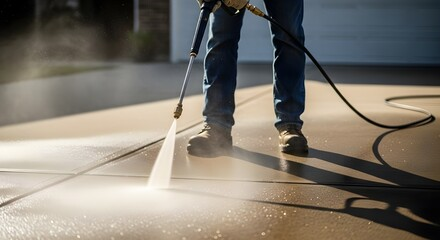
Power washing (also called pressure washing) is a great way to remove dirt, mildew, mold and other contaminants that can damage your home or business. It can also help enhance your curb appeal and improve your property value.

The main difference between power washing and a regular hose is the water temperature. The power washer uses heated water to blast away tough grime, including moss, algae and salt. Visit https://www.certifiedsoftwash.ca/ for more information.

Cleans Dirt and Algae

Using a standard garden hose to clean your walkway will require gallons of water and hours of time, and even then, you’ll often be left with sidewalk stains. In contrast, power washers use significantly less water to achieve the same results and can remove a wide range of organic growths in a fraction of the time. This helps reduce your water bill and your ecological footprint.

Walkways made from concrete, pavers and other textured surfaces can develop mildew, mold, fungus and algae that leave behind an unattractive appearance and create a slippery mess. Professional cleaners use specialized nozzles for textured surfaces and biodegradable cleaning solutions to effectively remove these biological growths and prevent their return.

Mold and fungus can pose health risks for anyone who steps on them, particularly people with allergies or compromised immune systems. They also produce unpleasant smells and can deteriorate concrete and other paving materials, leading to costly repairs and replacements. Power washing with a suitable nozzle and biodegradable cleaner can safely remove these substances without damaging the surface of your walkway.

If you’re planning to power wash your own walkway, be sure to wear safety glasses and closed-toe shoes to protect yourself from the spray of the pressure washer nozzle. It’s also important to test any cleaning solution on a small, inconspicuous area of your walkway before using it to ensure that it doesn’t damage or discolor the surface.

Once your walkway has been cleaned, consider applying a sealant to help it retain its color and durability. It will also make future cleaning easier and more effective. Be sure to choose a sealer that’s compatible with your walkway material and follow the manufacturer’s instructions for proper application.

Prevents Slip-and-Fall Accidents

Slip-and-fall accidents are one of the leading causes of injuries on commercial and residential property. When walking surfaces become covered in dirt, oil, algae, mildew, and other contaminants, they lose their traction and can cause people to slide or fall, resulting in pain and potential disability. Power washing removes these slippery substances and reduces the risk of falls, making walkways safer for everyone to use.

Certain types of outdoor concrete surfaces, such as patios, pool decks, parking lots, and stairways, are especially susceptible to becoming hazardous slip-and-fall zones. Dirty concrete can develop a green, slick layer that becomes even more dangerous when wet. Oil stains and tire marks from vehicle traffic make parking lots high-risk areas. Algae, mold, and mildew growths in shaded or damp areas can create a slippery surface that’s difficult to see.

Keeping these surfaces clean with regular power washing eliminates slip hazards and reduces liability risks for property owners. In addition, it ensures that these areas comply with ADA and OSHA safety standards and guidelines.

Power washing removes oil, mud, and other sticky substances that can trap moisture and lead to puddles and ice formation in the winter. This type of preventative maintenance is crucial to keeping sidewalks, entryways, and driveways safe for pedestrians all year round.

Professional pressure washing also helps to preserve the life of driveways, sidewalks, and other concrete surfaces. Over time, dirt, oil stains, and other materials can cause damage to the concrete’s surface and structure, shortening its lifespan. Regular cleaning removes damaging substances and keeps surfaces looking newer longer.

Power washing doesn’t just improve the look of concrete surfaces, it also saves money. Dirty or stained concrete requires more frequent repairs and replacements, which can add up to substantial expenses for business owners. In addition, unattractive concrete can lower curb appeal and depreciate the value of homes and commercial properties. By hiring a professional to perform routine power washing services, you can protect your investment and enjoy a cleaner, safer property.

Enhances Curb Appeal

Your home’s exterior is the first impression neighbors, guests, and potential buyers have of your property. A well-maintained, clean exterior reflects pride of ownership and shows that you care about your property. A dirty or dingy-looking exterior, on the other hand, gives off the impression that the property is neglected and can be a turnoff for many people. A thorough cleaning with a professional power washer is an effective way to restore your property’s appearance and enhance its curb appeal.

Dirt, moss, mildew, and algae buildups on sidewalks and driveways can make them slippery, particularly after rainfall. Pressure washing removes these elements, providing a safer environment for children and elderly family members to walk on.

Over time, dirt and grime can damage concrete and pavers, leading to cracks and deterioration. Pressure washing removes these contaminants, extending their lifespan and protecting your investment. Following up with a sealant further protects your surfaces and prevents future damage.

Saves Money

Power washing is a great way to get rid of dirt, mold, mildew and other contaminants that build up on patios, driveways, and sidewalks. Regular cleanings keep these areas looking new and enhance curb appeal, which increases the value of your home. Hiring a professional to power wash is usually more cost effective than purchasing or renting the equipment yourself and doing it yourself.

Concrete surfaces such as driveways, walkways, and patios are exposed to heavy vehicle and foot traffic and the elements which can wear them down over time. Regular power washing slows this deterioration and keeps them looking like-new, saving you money on costly repairs or replacements.

Dirt, oil stains, rust marks, and tire tracks can be unsightly and hard to remove with traditional cleaning methods. A thorough power washing using a commercial grade pressure washer effectively lifts these stubborn stains, giving your outdoor spaces a fresh and clean appearance.

Over time, moss, mildew, and algae can build up on the surface of concrete, pavers, and brick, creating a slick surface that increases the risk of slip-and-fall accidents. These elements can also damage the structural integrity of these outdoor surfaces, causing cracks that could necessitate expensive repairs or even total replacement. Regular power washing removes these hazard elements before they can cause long-term damage, and following up with a sealant afterward further discourages regrowth.

If you neglect your outdoor space, it will quickly become unappealing and may be a safety hazard for yourself, your family, and guests. It is also common to be fined by the local government for failing to maintain your property, such as for a cracked sidewalk. Hiring a professional power washing company to regularly clean your concrete, brick and stone surfaces is an affordable way to maintain the value of your home, protect your health and safety, and save you money in the long run.

Visit our Professional Services Blogs

Smart Choice Plumbing And Air, Sanitize My Airducts, Bethesda Locksmith, Golden Coast Cleaners, Advanced Concrete Staining, Home Pool Cleaners, Brayhines Septic, Shaka Pool And Spa Cleaning,Mr Clean And Shine, Best Appliance Repair Long Beach, Gulf to Bay Water Remediation, Garage Door San Francisco, Richmond Flooring, Fence Builders Woodlands, Colorado Springs Auto, Fuel Frontlines, Expert 24 Option, Sacramento Roseville Real Estate, SLO Homes, Philadelphia Towing, State Powerwashing, Truck Tires Worldwide, Website Translation, Construction Company Farmington NM, Green Home Los Angeles, Trinity SEO Marketing, Electric Fireplaces, Argos Bookkeeping, Christopherson Drywall,Garage Door Installation, Missouri Personal Injury Lawyer Blog, Alvins Auto Body, Carpet Care Pros, Las Vegas Concrete, Clark Concrete Company, Deck Builders Missour City, Lechleitner Builders, Medical Health Insurance Policy, Royal Siding Windows, Carpet Steam Cleaners Review, Go Greeen Lawn Painting, Oakwood Skate Deck, Texas Home Remodeling And Painting, USA Home Repair Remodeling, Dream Home Remodeling Services, Brent Lawn Homes, Great Ernm Homes, Accelerated Orthodontic, Arctic Cooling And Heating, Baltimore Heating And Airconditioning

Common Myths About Pest Control You Should Stop Believing

Ben's Pest Control

Pests don’t care whether your home is tidy or not; they enter for warmth, food, and shelter. Clutter gives pests places to hide and breed. And over-the-counter sprays and traps don’t target the underlying infestation.

Rodents carry a variety of diseases and leave behind contaminated droppings. Plus, they chew through wires which can cause electrical fires. Contact Ben’s Pest Control for more information.

Termites Don’t Eat Brick or Concrete

When pests invade, it’s natural to look for quick answers on how to get rid of them. However, many of the tips you hear from friends or on social media don’t actually work and may even make things worse. Termites are especially dangerous, since they cause billions of dollars worth of damage each year. Debunking some of the most common misconceptions about pest control can help homeowners make informed decisions about how to prevent and treat infestations.

While some homeowners believe that concrete and brick are termite-proof, this isn’t necessarily the case. In fact, these materials can be just as vulnerable to termite infestations as wood is. The pests tunnel through the structures to reach their target – wooden support beams in your home’s foundation – and destroy them.

Termites are called “silent destroyers” for a reason: they go unnoticed until it’s too late. Unlike ants or cockroaches, which are opportunistic feeders and can be deterred with store-bought repellents, subterranean termites are highly destructive and require professional pest management to prevent severe damage.

Because they are so destructive, it’s essential to have a pest control company regularly inspect your property. In addition to detecting the presence of termites, a qualified inspector can also identify potential entry points and prevent infestations. This includes ensuring proper pre-construction termite treatment and keeping bushes, trees, and mulch away from the home’s foundation.

Another reason why termites are so destructive is because they can’t be detected until the damage has already been done. Oftentimes, the infestation isn’t noticed until there are signs of mud tubes or hollowed-out wood.

Termites aren’t just difficult to detect, but they’re also incredibly fast breeders. A single queen can lay thousands of eggs in a day, making it easy for a small infestation to grow out of control. Using DIY sprays or treatments without consulting a pest control expert can also make matters worse. Termites are able to travel through soil and other moist areas to find their targets, which means they can also move from one area to the next easily.

Bugs Aren’t All That Visible

When pests invade homes, it’s understandable that people would want to use any means necessary to stop them. Oftentimes, this leads them to believe or accept myths and misconceptions about pest control that don’t hold up. These myths can lead to poor choices about how to manage the pest problem, which may actually make it worse.

Some of these myths rely on some level of truth, but they are often exaggerations or outright falsehoods. This is why it’s important to seek out reputable sources of information about pest control, rather than trusting the advice and tips offered by friends or strangers on social media.

For example, some people think that they can keep their pest infestation in check by using a bug zapper or similar device around the property. This can be dangerous because if the person isn’t careful, it can cause skin burns and eye damage. Moreover, bug zappers don’t kill the insects they attract; they only electrocute them and allow them to escape back into the home.

Other myths, like the idea that a clean house keeps pests out, are also not true. In fact, many pests enter homes to look for food, water and shelter. This can result in costly damage, especially if a pest is a destructive species such as termites or rodents. These pests can eat through the building materials and even gnaw on electrical wires, leading to expensive and dangerous problems that require professional repairs.

It’s important to have a consistent pest control service in place so that you can prevent and deal with pest infestations as soon as they arise. Having regular inspections will also help you to identify potential pest problems early on, and this can save you money in the long run. In addition to this, some pests can cause structural damage, which your homeowner’s insurance will likely not cover if you don’t take action.

A professional pest control company will be able to provide you with safe and effective treatments that will destroy the pests while protecting your family, pets and property. Taking a proactive approach to pest control will also help you to avoid costly home repair issues caused by some of the most common pests, including cockroaches, ants and mice.

A Clean House Keeps Bugs Out

The truth is that a clean home doesn’t guarantee pest-free living. Pests enter homes looking for food, water and shelter. Rodents can squeeze through holes the size of a dime, and cockroaches are masters at hiding in tight cracks. Even brand new homes can be susceptible to pest infestations if there’s wood-to-soil contact or hidden moisture issues. And no matter how often you sweep and dust, if you don’t stop the sources of these pests they’ll keep coming back.

Keeping your home tidy can make it harder for pests to find what they need, but it’s important to seal any entry points too. A professional can help you identify and repair these entry points, like faulty window screens or unscreened doors, to keep bugs and rodents out of your home.

While over-the-counter bug sprays might kill a few visible insects, they won’t get to the root of your pest problem. Professional treatments, like those offered by Specter Pest Control, use targeted products and strategies that not only eliminate current infestations but also prevent future problems from arising.

Many people believe that if they don’t see any pests, their home is pest-free. While this is true in some cases, pests are nocturnal and nestle in dark, hidden places where they can go undetected for weeks or months. Mice can chew through wood without making a sound, and termites can infest entire homes before anyone notices. And while some blood-sucking species are more active during certain seasons, a mosquito can decide to bite at any hour of the day.

Pests of all kinds can cause disease by contaminating our food, water and shelter. Some, like cockroaches and mice, can carry bacteria that can cause illness. Others, like flies and stinging insects, can trigger existing health conditions like allergies. And rodents and birds can contaminate our indoor spaces with their urine, feces and feathers. This is why pest control is essential.

Bug Zappers Keep Mosquitoes Away

In an effort to keep mosquitoes away from their outdoor areas, many homeowners turn to bug zappers. These devices supposedly lure insects using UV light and electrocute them with a powerful surge of electricity. However, they are largely ineffective at killing bugs and may do more harm than good.

In one study, University of Delaware researchers collected and analyzed insect kills from six typical residential bug zappers. They found that the vast majority of the 14,000 insects killed by these devices weren’t mosquitoes or biting flies. Rather, most were moths and other beneficial insects. Some of these insects even prey on mosquitoes, making it important to preserve their numbers.

What’s worse, the zapping process can actually spread disease. The obliterated insect parts are blown into a fine mist that can carry bacteria like campylobacter jejuni, staphylococcus and serratia marcescens. These organisms can then be carried in the air and into food preparation areas, hospitals and other sterile environments, where they can cause serious illness.

Other negative effects of bug zappers include their limited effectiveness and unintended consequences. Because they attract so many different insects, including bees and other pollinators, they can disrupt ecosystem balance. This can lead to plant diseases and other problems, such as a loss of natural fertilizer. In addition, the UV light from a bug zapper can also harm some animals and plants, including cats and dogs.

For these reasons, it’s best to avoid using bug zappers. Instead, you can try a combination of methods for keeping mosquitoes away, including repellents and eliminating standing water. It’s also important to remember that mosquitoes breed in bodies of water, so keeping your yard clean can help reduce their population. However, the most effective way to control mosquitoes is to prevent them from breeding in the first place by reducing standing water and using bacteria like Bti to kill larvae in ponds and rain barrels. These steps can be more effective than a bug zapper and won’t harm beneficial insects or pets.

What Happens During a Professional Septic System Inspection?

A septic system is used to treat wastewater in homes and properties that are not connected to public sewer systems. To keep septic systems operating properly, it is necessary to perform frequent inspections.

Getting regular septic tank pumping and inspections can help you avoid expensive repairs in the future. But what does a professional septic inspection actually look like? Visit Website to learn more.

Visual Inspection

Septic System Inspection

A visual inspection of the septic tank and drain field is the first step in any professional septic system assessment. The inspector will examine the surrounding area, looking for soggy areas in the yard and observing any foul odors that could indicate a leaking tank or drain field. The professional will also look for soil depressions around the septic tank and drain field, as these can be signs of problems with wastewater absorption.

The septic tank itself will be examined, including its lids and covers, as well as the pipes that lead into and out of it. These pipes can be made from concrete, steel, fiberglass, or polyethylene. Inspectors will look for cracks, corrosion, and other damage to these pipes. They will also check the septic tank for structural integrity, noting any holes or cracks in the walls of the tank. If the septic tank is cracked or damaged, it will likely need to be replaced.

Next, the inspector will assess the drain field, which is where the wastewater treatment takes place in the soil. This part of the septic system is where problems often occur, especially in undeveloped soil conditions. The top septic tank repair, inspection, and upgrade experts in Battle Ground state that the most common signs of a malfunctioning drain field include soggy or lush green areas. These are caused by nutrient-rich wastewater reaching the surface and feeding plants more than they should.

The inspector will also check the drain field for any oversaturation or flooding, which can lead to a number of problems, including clogged leach lines and a flooded septic system. The professional will also note any unusually strong smells coming from the drain field, as this is a sign that the soil may not be absorbing waste properly.

If the septic system appears to be in good condition, the expert will then move on to the more detailed part of the inspection. This involves opening the septic tank, pumping out and examining the contents of the septic tank, and performing a dye test. In the dye test, the inspector will introduce a special color-indicating dye into the tank to see if it makes its way from the septic tank to the drain field and beyond.

Pumping

While many homeowners neglect septic system inspections until something goes wrong, getting a regular visual and pumping inspection is the best way to ensure your septic system works correctly. This can prevent sewage backups and foul odors in your home, costly repairs and environmental damage to surrounding water sources.

The first thing a professional septic inspector will do is visually inspect the area where the septic tank is located. They will look for the inlet pipe and the lid of the tank, which is usually found in the front yard. If they cannot locate the tank, they will use property records or specialized tools like electronic locators to find its location. Once they have spotted the tank, they will uncover it for a thorough inspection.

Once the tank has been uncovered, the inspector will check its condition and determine if it needs to be pumped. They will also look for any signs of leaks, which could indicate a problem with the pipes in your home or the septic system.

Next, the inspector will examine the septic tank’s distribution box and leach field. They will also look at the drain line, which connects the septic tank to the distribution box and leach field. The inspector will check for any wet spots or excessive vegetation in the leach field, which may indicate that the septic system is not absorbing wastewater correctly.

Lastly, the inspector will examine the septic system’s control panel to make sure all switches and alarms are functioning properly. They will also check the septic system’s pressure gauge and examine the condition of the leach field and septic tank cover.

Regular septic tank inspections are essential for homeowners with private waste disposal systems, which are used in properties that do not have access to public sewer systems. Septic tanks, which are buried underground, are crucial for treating and disposing of the waste from homes without public sewer systems. By arranging for regular septic tank inspections and pumping services, homeowners can avoid expensive repairs, ensure their septic systems function properly and comply with local regulations.

Dye Test

As its name suggests, the septic dye test is a simple but effective diagnostic tool that can help Winston-Salem homeowners spot problems in their septic systems. This process involves adding a special dye to the home’s plumbing system and watching for its appearance in the septic tank or drain field. Dye testing is especially useful for spotting leaks and clogs that may not be visible to the naked eye, such as sewage backing up into toilets or drains or a wet yard.

To conduct a dye test, an inspector will add the dye to one or more household appliances or drains (depending on the location of the problem) and flush them with water from a garden hose. If the dye makes its way into the septic tank, it means that the septic system isn’t functioning properly and is leaking wastewater into the ground. Likewise, if the dye enters the home’s plumbing system, it indicates that there’s a blockage in the house’s drain lines and that a professional should be called to resolve the issue.

Homeowners should have their septic systems tested at least every three years, but the exact frequency can vary depending on a variety of factors, including the size of the household and the age of the septic system. In addition, a septic system that has recently been repaired or replaced should be tested immediately to ensure that the repairs were made correctly and aren’t having any negative impacts on the system.

Lastly, septic dye tests are often conducted as part of a pre-purchase inspection in order to provide buyers with peace of mind that the septic system is in good condition and has not been damaged during the repair process. This type of inspection is also sometimes required by local regulations, as it helps protect public water supplies and ensures that potential homeowners aren’t inheriting any hidden septic issues from previous owners.

As septic systems continue to be an increasingly common feature in many homes across the country, keeping them well-maintained is becoming more important than ever. Regular septic system inspections can catch small problems before they become more costly and time-consuming to fix, and they can even serve as a selling point for buyers in the future who are looking for a well-maintained property.

Inspection Report

A septic system is a wastewater treatment system that consists of sanitary pipes transporting household wastewater into a septic tank, where solid waste, including sludge and oil from the kitchen, settle at the bottom, while the wastewater (effluent) exits through baffles.

The inspector will check the septic tank for leakage, assess the condition of the pipes, and inspect the drainfield to ensure that it is not oversaturated, which can cause sewage backups and soil contamination. They will also evaluate the soil to determine whether it is a suitable type for a septic system, and look for any signs of damage or failure.

In addition, the inspector will ask homeowners about the frequency of pumping and when the septic tank was last pumped. Then they will use their inspection findings to provide recommendations for the home owner regarding maintenance, repair, and replacement of the septic system components.

A good septic system will be functional and safe for years to come, but it’s important that the homeowner takes care of it. Regular inspections and pumping can prevent costly repairs and help to keep the septic system functioning properly for as long as possible.

Most states require a professional septic inspection during the sale of a property with a septic system, but it’s a good idea to schedule routine septic system inspections even when you don’t plan to sell your home. This will help to prevent septic tank leaks and other problems, which can lead to costly repair bills or sewage backups.

Having a home inspector examine your septic system is an important part of keeping it in good condition, but getting the right inspector can make all the difference. A reputable home inspector can find and identify many small issues before they become major problems, and can recommend the best ways to maintain your septic system for as long as possible. If you are in the market to buy a new home, a septic system inspection is a must, and a pre-listing septic inspection can increase your chances of a successful sale.

Transform Your Space with Expert Cleaning Services

Cleanliness plays a major role in creating healthy, comfortable, and welcoming spaces. Whether it’s at home or in the workplace, maintaining a clean environment boosts productivity, reduces health risks, and enhances overall quality of life. Expert cleaning services are designed to deliver a higher level of cleanliness that goes beyond routine maintenance. By combining specialized tools, proven methods, and professional expertise, expert cleaning ensures lasting results that make any space look and feel its best.

cleaning

What Makes Expert Cleaning Different

Regular cleaning is something most people handle on a daily or weekly basis, but expert cleaning goes much deeper. Professionals use advanced techniques to eliminate hidden dirt, bacteria, and allergens that are often overlooked in everyday cleaning.

Expert cleaning stands out because it focuses on:

  • Thoroughness – Reaching areas that are often ignored during routine cleaning.
  • Efficiency – Using proper equipment and strategies to complete tasks faster.
  • Safety – Employing safe and effective cleaning solutions to protect people, pets, and surfaces.
  • Consistency – Delivering reliable results that ensure spaces remain fresh and hygienic.

This higher level of cleaning is not just about appearance—it’s also about creating healthier and safer environments.

Benefits of Expert Cleaning

Investing in expert cleaning services brings numerous advantages for both homeowners and businesses:

  1. Healthier Environments
  2. A clean space reduces the spread of germs, bacteria, and allergens. Expert cleaning minimizes respiratory risks, skin irritations, and illnesses caused by poor indoor hygiene.
  3. Time Savings
  4. Professional cleaning frees up valuable time. Instead of spending hours scrubbing, dusting, or disinfecting, individuals and businesses can focus on more important tasks.
  5. Extended Longevity of Property
  6. Proper cleaning extends the lifespan of furniture, flooring, and fixtures by preventing damage caused by dirt, stains, and buildup.
  7. Improved Air Quality
  8. Dust, mold, and pollutants can affect indoor air. Expert cleaning ensures better air circulation and a fresher atmosphere.
  9. Professional Appearance
  10. For businesses, a spotless environment creates a positive first impression for clients and customers. At home, it creates a more relaxing and inviting atmosphere.

These benefits make expert cleaning an investment in both health and long-term property maintenance.

Areas Covered by Expert Cleaning

Expert cleaning services are versatile and can address different areas and needs. Some of the most common include:

  • Residential Cleaning – Homes require deep cleaning that covers kitchens, bathrooms, living spaces, and bedrooms. Expert cleaning ensures every corner is free of dust and buildup.
  • Commercial Cleaning – Offices, retail spaces, and facilities need consistent upkeep to maintain productivity and customer satisfaction. Professional cleaning ensures a hygienic workplace.
  • Carpet and Upholstery Care – Fabric materials trap dirt and allergens. Expert cleaning restores freshness and prolongs their lifespan.
  • Window and Glass Cleaning – Streak-free and spotless windows improve both aesthetics and natural light.
  • Specialized Cleaning – Tasks like post-construction cleaning, seasonal deep cleaning, or move-in and move-out cleaning require professional attention for best results.

Each area requires specific tools and methods, which expert cleaners are trained to handle.

The Expert Cleaning Process

The process of expert cleaning is systematic and designed to deliver consistent results. It typically involves:

  1. Assessment – Identifying areas that need attention and determining the right cleaning methods.
  2. Preparation – Gathering equipment, supplies, and protective materials.
  3. Deep Cleaning – Scrubbing, disinfecting, and sanitizing surfaces using professional-grade tools.
  4. Detail Work – Focusing on overlooked spots like baseboards, vents, and behind furniture.
  5. Final Inspection – Ensuring no area is missed and that cleaning meets the highest standards.

This structured process guarantees a thorough and effective outcome every time.

Why Professional Expertise Matters

Attempting deep cleaning without the right knowledge and tools can be overwhelming. Professional cleaners are trained to handle delicate materials, identify problem areas, and apply proper cleaning solutions safely. Their expertise ensures that no damage occurs during the process and that cleaning is done efficiently.

Additionally, expert cleaners stay updated on the latest methods and industry standards. They know how to tackle stubborn stains, eliminate odors, and sanitize high-touch areas effectively. This level of expertise is what sets professional cleaning apart from regular maintenance.

Common Mistakes in Cleaning

Many people unknowingly make errors when trying to clean thoroughly. Some common mistakes include:

  • Using the Wrong Products – Harsh chemicals can damage surfaces or create health risks.
  • Neglecting Hidden Areas – Ignoring spots like vents, behind appliances, or under furniture allows dirt and allergens to accumulate.
  • Overlooking Air Quality – Cleaning only visible surfaces without addressing dust in fabrics and ducts reduces effectiveness.
  • Inconsistent Cleaning – Infrequent deep cleaning allows bacteria and mold to grow unnoticed.

Expert cleaning eliminates these mistakes by applying proven methods and ensuring no detail is overlooked.

Long-Term Value of Expert Cleaning

Beyond immediate results, expert cleaning provides long-term value. Regular professional cleaning reduces the need for expensive repairs and replacements. For example, carpets last longer when properly maintained, and surfaces remain in better condition when buildup is removed.

For businesses, maintaining a clean environment supports employee well-being and customer satisfaction, leading to increased productivity and positive impressions. At home, expert cleaning fosters a healthier lifestyle and greater comfort for the entire household.

Expert cleaning goes beyond surface-level tidying to provide deep, effective, and long-lasting cleanliness. Improving health, extending the life of property, and creating more welcoming spaces offer valuable benefits to both homeowners and businesses.

Through professional expertise, specialized tools, and a structured cleaning process, expert cleaning ensures environments are not only spotless but also safe and comfortable. Investing in these services means investing in better living and working conditions, with results that make a noticeable difference.

Clean spaces create healthier and happier lives, and expert cleaning is the key to achieving that standard.

Whispered Transformations: The Hidden Art of Modern Cleaning Services

Cleaning Services Cochrane quietly reshape spaces in ways often overlooked. Their work goes beyond removing dust and clutter. They craft an atmosphere where calm can breathe again. Every sweep of their motion rewrites the rhythm of a room.

Cleaning Services

The essence of their task is not only about erasing mess but about resetting energy. When a space is chaotic, people move through it with tension. After it is cleaned, their pace softens and their breath deepens. This shift is invisible yet powerful.

Modern cleaning services now explore sensory subtleties often ignored before. They focus on how light dances on polished surfaces and how air feels when freed from stagnation. These details lift moods without words. Cleanliness becomes an unspoken language of care.

Their presence can transform emotional climates as much as physical ones. Rooms once filled with irritation become softer, like exhaling stress. People talk more gently in freshly cleaned spaces. Order creates emotional balance without needing attention.

What makes their craft striking is the quiet choreography behind it. They move like flowing water, touching everything without disturbing harmony. Objects seem to wake up under their care. The room itself feels as if it sighs with relief.

There is also an element of time restoration in their work. Clutter consumes minutes through daily frustrations. When it is gone, time seems to return as if hidden in the corners. People rediscover hours they never realized they lost.

Cleaning services are now embracing personalization as part of their art. They notice how each space has its own rhythm and needs. Some rooms want brightness while others crave softness. This sensitivity turns cleaning into a kind of listening.

They also often approach unseen layers that most eyes miss. Dust behind warm machines, shadows under furniture, and forgotten corners hold quiet stories. Removing these layers frees the space from old weight. It is like peeling away the past so the present can breathe.

Even the air feels different when their work ends. It carries lightness as if it has been filtered through still water. Breathing becomes easier, and minds clear with it. This invisible freshness lingers long after they leave.

Their effect often sparks spontaneous renewal. People rearrange objects or open windows they once kept shut. They feel inspired to care more for their surroundings. The service becomes a spark for transformation rather than just maintenance.

One of the most intriguing aspects is how they influence memory. Spaces hold the moods of what has happened inside them. Cleaning seems to release these imprints, giving the room back its neutrality. It becomes ready to host new stories.

They also help break cycles of stagnation. Mess often grows from hesitation or fatigue, and it feeds on itself. A deep clean cuts through that loop like sunlight breaking mist. It gives people the momentum they had forgotten they owned.

Silence gains depth after they finish. Without clutter to scatter sound, even whispers seem warmer. This soft quiet changes how people speak and listen. Cleanliness refines the acoustics of human connection.

The craft is also deeply physical though it hides behind grace. Every motion is calculated to protect what it touches while removing what does not belong. Strength blends with delicacy until they seem like part of the space. Their work is both effort and art.

Modern cleaning services often weave sustainability into their methods. They aim to leave behind only purity, not harm. The goal is balance, not just brightness. This respect strengthens the relationship between people and their surroundings.

Another overlooked gift they bring is mental clarity. When the environment is simplified, thoughts follow. Focus becomes sharper and decisions flow more easily. A clear room often unlocks a clear mind.

This transformation can change relationships inside the space as well. Shared rooms no longer trigger silent stress. People linger longer, laugh more, and listen better. The emotional tone shifts as gently as the scent of fresh air.

There is even a creative spark hidden in their work. Spaces once buried in distraction become blank canvases again. People paint them with new ideas, plans, and projects. Cleanliness revives imagination without saying a word.

Over time, their visits reshape the culture of a place. Residents or workers begin treating the space with quiet pride. They step lighter, speak softer, and care more deeply. Clean surroundings nourish respectful behavior.

They also create rhythms of renewal that echo beyond their visits. Each return becomes a ritual of release and refreshment. The space learns to expect restoration like the tides. This cycle builds stability disguised as routine.

Even the smallest details become meaningful in their hands. The alignment of a chair, the glow of a surface, the absence of smudges on glass. These subtle touches whisper that someone cares. They make people feel held without being touched.

The work they do can be almost invisible yet deeply intimate. They learn the contours of private spaces yet leave no trace of themselves. Their presence is known only by the peace they leave behind. This paradox makes their craft quietly profound.

Cleaning services are not only erasing dirt but amplifying dignity. They affirm that every space deserves to be seen in its best form. This affirmation seeps into the people who occupy it. They begin to see their own worth reflected in their surroundings.

Eventually, people forget how heavy the space once felt. The memory of clutter fades as naturally as shadows at noon. What remains is a sense of ease that feels eternal. This is the truest sign of their success.

In the end, their craft is not about removing what is wrong. It is about revealing what has always been right but hidden. They do not just clean spaces. They awaken them, and in doing so, awaken the people inside them too.

This awakening ripples into daily habits long after they have gone. People pick up small things faster, close drawers gently, and pause to notice details. These micro-acts of care build a new rhythm of living. The space begins to teach its own serenity.

A freshly cleaned space also reshapes how light behaves. Sunbeams stretch further, bouncing from polished surfaces with quiet joy. Shadows become softer as if the space itself has loosened its grip on gloom. Lightness becomes both physical and emotional.

There is an almost ceremonial quality to their process. The slow clearing of clutter, the steady sweep, the quiet final glance all hold ritualistic weight. It feels like a farewell to chaos and a welcome to order. These moments create sacred pauses in otherwise busy lives.

Even scents gain power after their work. The air seems to carry notes of renewal, crisp yet calm. This sensory layer anchors the memory of cleanliness in the mind. It becomes an emotional signature of peace.

Their influence stretches beyond walls, shaping how people carry themselves elsewhere. Once they experience true order, they crave it everywhere they go. Their standards rise without conscious effort. Cleanliness becomes not just a service but a mindset.

Ultimately, modern cleaning services are sculptors of invisible harmony. They work in silence yet leave behind symphonies of balance. Every cleared surface becomes a quiet stage for life to perform again. In their stillness, they create movement.

Is Professional Carpet Cleaning Better Than DIY?

Is Professional Carpet Cleaning Better Than DIY

Carpet Cleaning Orem may have a higher upfront cost than rental machines and store-bought cleaning solutions, but it delivers significant value over time. Trained cleaners and advanced equipment offer superior deep cleaning that extends carpet life and boosts indoor air quality.

DIY carpet cleaning is fine for a quick surface refresh, but it can leave behind odor-causing bacteria, dirt, and allergens. It also risks damage if done incorrectly.

Cost

Many homeowners see professional carpet cleaning as an unavoidable expense, but that investment can save you money in the long run. Regularly scheduled services remove embedded dirt, stains, and allergens that contribute to carpet wear and deterioration, while also improving your indoor air quality. These benefits can make your home more comfortable and livable, and they can extend the lifespan of your carpets.

The upfront cost of professional cleaning services may be more expensive than renting a machine and buying your own cleaning solutions, but these costs are often offset by the time and energy saved. Professionals are also able to clean larger areas more quickly, and most offer extras like stain guard treatments and pet odor removal, which can further reduce the overall cost.

In the case of carpets that are only lightly soiled, a rental machine can work fine for surface-level refreshes. But when it comes to deeper, more thorough cleaning, professional methods—like hot water extraction (commonly known as steam cleaning)—are the best choice. These deep cleaning techniques reach down to your carpet’s backing, where dirt, dust mites, and other contaminants hide. Over time, these toxins can cause your carpet to look dull and smell musty.

When you hire a professional, you get a team of trained technicians that can handle all aspects of the cleaning process. This includes setup, furniture moving, pre-treating stains, and the actual cleaning itself. They also use advanced drying equipment to minimize downtime and disruption in high-traffic spaces.

Aside from the direct financial benefits, professional cleaners typically offer a better warranty and are less likely to damage your carpets than DIY methods. The simplest mistake—soaking the carpet in too much water or using the wrong cleaner—can ruin the texture of your carpet, leave sticky residue, or even voide your warranty.

When considering whether to take the DIY route or hire a professional, consider your budget and carpet condition, health concerns, and scheduling constraints. Professionals provide superior cleaning results, extend the lifespan of your carpets, and improve your indoor environment. That’s a win in our book!

Convenience

When customers step into your business, a fresh-smelling, well-maintained carpet adds a welcoming aesthetic and a sense of professionalism. Similarly, homeowners value clean carpets for their aesthetic and comfort benefits. It’s easy to see why professional carpet cleaning is the best way to maintain a pristine look and extend the life of your flooring. However, the upfront cost of hiring professionals can be prohibitive for some. As a result, some homeowners opt to rent a machine and handle the project themselves. DIY methods aren’t without their drawbacks, though. The quality of the equipment and store-bought cleaners can vary, leading to subpar results. Additionally, improper technique can damage your carpets, resulting in costly repairs or replacements.

Regular professional cleanings prevent the buildup of deep-seated dirt and debris, extending the lifespan of your carpet. They also remove allergens and odors, improving the overall indoor air quality of your home or office. Professionals have access to high-quality cleaning equipment and the knowledge and experience necessary to tackle even the most stubborn stains.

On the other hand, DIY methods are limited in their ability to remove tough stains and can leave behind moisture that creates an environment for mold and bacteria. Daily vacuuming and spot treatment with a commercial stain remover or home remedy like seltzer water directly after a spill can help remove surface dirt, but they may not thoroughly remove the source of odors or old, set-in stains.

Another drawback of DIY cleaning is that it can be time-consuming to rent a machine and take the extra steps to properly clean your carpets. It also requires coordinating with a service and reserving a date that aligns with your availability. This can be a significant inconvenience, especially in larger homes or offices where there is more extensive flooring to manage. Additionally, if your carpet is heavily soiled or damaged, it may be more cost-effective to replace it altogether rather than attempt a repair or cleaning. If your carpets are nearing the end of their useful life, COIT can recommend a replacement option that suits your budget and lifestyle needs.

Safety

Professional carpet cleaning services provide many health and safety benefits that make them well worth the upfront cost. Regular deep cleaning prevents dirt, dust, and debris from being ground into the carpet fibers. This keeps the carpet looking fresh and extends its lifespan. It also helps prevent soiling from clogging carpet fibers, which may lead to odor and discoloration. Additionally, it improves indoor air quality by reducing harmful pollutants and preventing allergens from becoming trapped in the fibers.

Carpets represent a significant investment in your home, and proper care protects that investment. Professionals use high-powered equipment to thoroughly clean all surfaces of the carpet without damaging it. DIY methods, on the other hand, often rely on rental machines and store-bought cleaning products that can damage the fabric or leave behind chemical residue. Additionally, improper techniques can cause the fabric to become waterlogged and prone to mold growth.

While vacuuming is an important part of carpet maintenance, it can’t do much more than remove surface dirt and dust. Professional carpet cleaners are able to penetrate deep into the fibers and remove embedded dirt, bacteria, and fungi that may be causing health issues in your household. This makes it easier to keep your home healthy and safe for children, pets, and allergy sufferers.

Professional cleaning also helps to prevent spots and stains from recurring. Dirt and grime can be dragged up to the surface when carpet is cleaned using water-based solutions, leading to re-soiling and a need for more frequent maintenance. Carpets that are professionally cleaned use water-free solutions to eliminate re-soiling, making them more comfortable and convenient for households with children or pets.

Another benefit of professional cleaning is that it can help to protect your carpet warranty. Many carpet manufacturers require regular, thorough cleaning to keep your warranty in effect. If you skip cleanings or use inappropriate tools, your warranty could be voided and you’ll have to replace the carpet. Professional cleaners ensure that the proper care instructions are followed, keeping your carpet in good condition and protecting your investment.

While DIY options are available, they can be difficult to navigate properly without the right training and equipment. Regular cleaning by professionals extends the life of your carpet, makes it look better, and promotes healthy indoor air quality.

Results

Carpet cleaning pros use commercial-grade equipment and specialized techniques for deeper, longer-lasting results. This can help extend the lifespan of your carpets and make your home look cleaner, healthier, and more inviting. Professional services often include spot treatments and deodorizing, which can also save you time and money by cutting down on future maintenance. However, upfront costs can quickly add up when you consider equipment rentals, purchasing supplies, and labor. Fortunately, many services offer transparent pricing, clear breakdowns of the cost, and flexible packages that can help you save.

Renting a carpet cleaner might seem like a quick, cheap solution for light touch-ups or emergency situations. But the truth is that DIY methods can actually be more costly in the long run, especially if you use the wrong tools or chemicals. For example, aggressively rubbing a stain may cause it to soak in rather than fade away, and using the wrong type of cleaning solution can shorten your carpet’s lifespan or leave behind a sticky residue. In addition, using the incorrect amount of water can damage the padding and lead to mold growth or mildew.

Pros have the equipment, experience, and expertise to tackle even the most stubborn stains. Plus, they have access to powerful machines that heat water to up to 160-230 degrees, which significantly improves the ability to remove stubborn dirt and oils from deep within your carpets. This helps keep your carpets looking newer for longer, and it can even extend the life of your carpets by removing harmful substances that break down fibers over time.

Professionals are also trained to work with different types of carpet, so they know how to get the most out of your flooring materials. They can also detect hidden stains or damage that may not be apparent to the untrained eye, which can make all the difference in getting a truly clean result.

There are many reasons to choose a professional carpet cleaning service over DIY, from allergy concerns and pet messes to dirty office spaces that contribute to worker illness. Dirty carpets can harbor germs and bacteria that cause illness and affect workers’ morale. Choosing a professional carpet cleaning service ensures that your workplace is hygienic and healthy, which can increase productivity and overall employee health.

Navigation